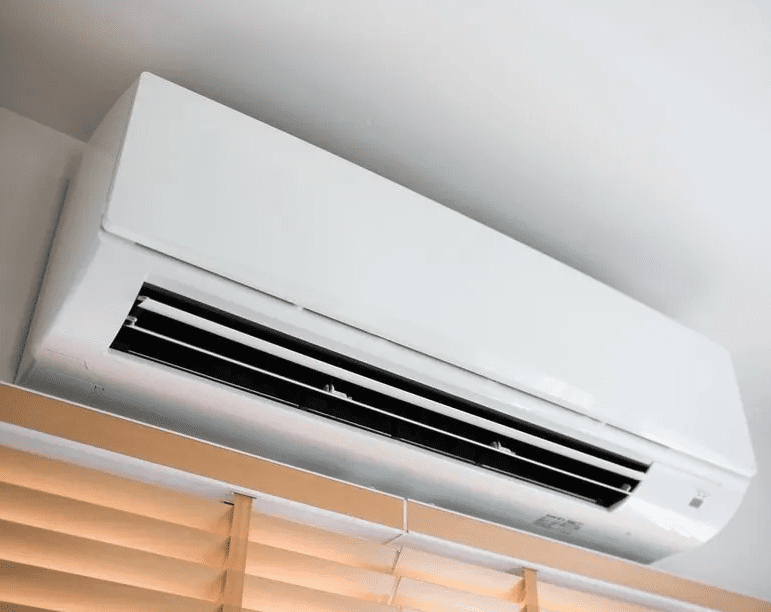
Your air conditioner is probably the most expensive appliance in your home to run. It’s also the one most people control with the least intelligence — a remote, a wall panel, or a basic timer that runs whether you’re home or not, whether the windows are open or not, whether free solar is available or not.
We integrate your existing ducted or split system directly into Home Assistant, connecting it to presence detection, live weather data, your electricity tariff schedule, your solar output, and your home’s full sensor network. The result is a climate system that responds to what’s actually happening — not what a timer assumes should be happening.
Your home reaches the right temperature before you need it. It stops running when you leave. It avoids peak tariff periods where possible. And it never wastes money cooling an empty room.
Most modern air conditioning systems can be integrated into Home Assistant. The integration method depends on your brand and model:
Native Wi-Fi integration— Mitsubishi Electric, Daikin, Fujitsu, Panasonic, Samsung, LG, and most other major brands have direct Home Assistant integrations via their onboard Wi-Fi modules. We configure local API access where available — which is faster, more reliable, and not dependent on the manufacturer’s cloud servers staying operational.
Sensibo controller— Where native integration isn’t available or the existing unit doesn’t have Wi-Fi, we install a Sensibo Air controller. It sits between Home Assistant and your existing IR-controlled unit and gives us full two-way control — set temperature, mode, fan speed, and read back actual state. Compatible with virtually any split system that uses an infrared remote.
Ducted zone control— For ducted systems, we integrate the zone controller directly into Home Assistant where the hardware supports it. Individual zone control, master on/off, and temperature monitoring per zone. Brands like Advantage Air, ActronAir, Daikin, and Fujitsu General have workable integration paths.
Existing smart controllers— If you already have a Sensibo, Cielo, or similar controller installed, we integrate it into Home Assistant rather than replacing it. What you’ve already paid for, connected to everything else.
We confirm integration compatibility during your free assessment. If your specific unit has limitations, we’ll tell you what’s possible and what the workaround looks like before any work is quoted.
Integration is the starting point. The value is in the automation logic we build around it.
Presence-based control— The system knows when people are home and when the house is empty. AC starts when the first person arrives — or pre-starts 20 minutes before typical arrival based on your patterns. It shuts off when the last person leaves. No manual intervention. No cooling an empty house.
Open window and door detection— Door and window sensors feed into the climate automation logic. If a window is open, the AC doesn’t run in that zone. Simple logic that most systems completely ignore, and that makes a measurable difference to running costs.
Live weather response— Your personal weather station feeds outdoor temperature and humidity data into the automation engine. On mild days where natural ventilation is sufficient, the AC stays off. On days where the forecast high justifies pre-cooling, the system acts before conditions deteriorate — and before peak tariff kicks in.
Tariff-aware scheduling— We build your electricity tariff schedule directly into the climate automations. On weekdays, the system pre-cools your home during shoulder rate periods before the 2pm peak threshold. During peak hours, the AC maintains temperature rather than actively cooling — reducing load when rates are highest without sacrificing comfort.
Solar integration— When excess solar generation is available, the AC runs freely without grid cost concern. When solar drops off and grid draw resumes, the automation adjusts target temperature and run behaviour accordingly. Your solar investment directly reduces your cooling costs.
Temperature threshold triggers— Automations fire based on actual indoor temperature readings from your sensors. Not time-based guesses. If the house hits 27°C, the system responds. If it’s already 21°C when you arrive home, it doesn’t run unnecessarily.
Sleep mode logic— Overnight, the system adjusts to sleep-appropriate temperatures based on time and presence in bedrooms. Gradual set-point changes rather than abrupt on/off cycling. Quieter operation modes where supported.
As part of our power monitoring integration, we deploy an AI energy advisor that runs hourly and factors climate control directly into its recommendations.
It analyses your current indoor temperatures, outdoor conditions from your weather station, upcoming tariff periods, and solar forecast — and delivers a plain-English recommendation to your dashboard and phone.
Not a dashboard widget showing you a number. Something actionable:outdoor temperature is dropping ahead of forecast, house is already at 23°C — consider holding off on AC until the evening peak passes and running it overnight on off-peak rate instead.
It’s the kind of contextual advice that saves real money when followed consistently, delivered automatically without you having to think about it.
Ducted systems present more automation opportunity than split systems — and more complexity to get right.
With zone control integrated, we can automate individual rooms independently. Occupied zones condition. Empty zones close. The master unit runs only what’s needed based on actual occupancy across the house, not a blanket setting for the whole property.
For larger homes with multiple split systems across different zones, we integrate each unit individually and build coordinated automation logic that treats them as a single climate system. The bedroom wing responds differently to the living areas. The home office follows work hours. The guest room only activates when occupied.
Every automation is built around your floor plan, your occupancy patterns, and your comfort priorities. Not a generic template applied to every installation.
We work with most brands installed on the Central Coast:
Split systems:Mitsubishi Electric, Daikin, Fujitsu, Panasonic, Samsung, LG, Kelvinator, Gree, Haier, Hisense, Carrier, and most IR-controlled units via Sensibo.
Ducted systems:Mitsubishi Electric, Daikin, Fujitsu General, ActronAir, Advantage Air, Brivis, and others — integration depth varies by controller hardware.
Controllers:Sensibo Air, Sensibo Pro, Cielo Breez, and native brand Wi-Fi modules where available.
Compatibility is confirmed during your free on-site assessment. Where native integration has limitations, we’ll scope the most capable workaround available for your specific hardware.
Climate control lives as a dedicated panel on your Home Assistant dashboard:
Everything is visible and controllable from your wall tablet, phone, or browser. Guests and other household members get simplified control through a tailored view that doesn’t expose the underlying automation configuration.
Will automation conflict with manual control?No. Manual overrides are respected. If you adjust the temperature or turn a unit on or off manually, the system holds that state for a configurable period before resuming automation. You’re always in control — the automations just handle everything when you’re not actively intervening.
My system is quite old. Can it still be integrated?If it uses an infrared remote, yes — Sensibo covers virtually any IR-controlled unit. For older ducted systems without a smart controller, options are more limited but we’ll assess what’s available. In some cases, upgrading the zone controller is the most cost-effective path to full integration.
Does integration void my AC warranty?Integration via Wi-Fi module or Sensibo doesn’t involve any physical modification to the air conditioning unit itself. It communicates with the unit the same way the remote does. This does not affect your manufacturer warranty. We’ll confirm the specific integration method for your unit during assessment.
Can I still use my existing remote or wall controller?Yes. Integration adds capability — it doesn’t remove the existing control interface. Your remote and wall panel continue to work exactly as before. The smart integration sits alongside them, not instead of them.
What if the internet goes down?Local automations continue to run. Home Assistant operates on your local network and doesn’t require internet for device control or automation execution. Remote access from outside the home requires connectivity, but everything inside keeps working.
How much can I actually save?This depends on your tariff structure, usage patterns, and existing habits. Homes with time-of-use tariffs and poor scheduling discipline — running AC during peak hours, cooling empty rooms, running overnight without adjustment — typically see the most significant savings. We don’t quote specific numbers without knowing your situation, but the combination of presence logic, tariff automation and solar integration consistently produces measurable reductions in energy spend.
Book a free consultation and we’ll assess your existing system, confirm integration options, and show you exactly what climate automation looks like for your home.